 讲知识 · 讲经验 · 讲未来
 人人可分享 · 处处是课堂
 科技 · 财经 · 游戏 · 快讯,每日更新
 诚搜315观察网
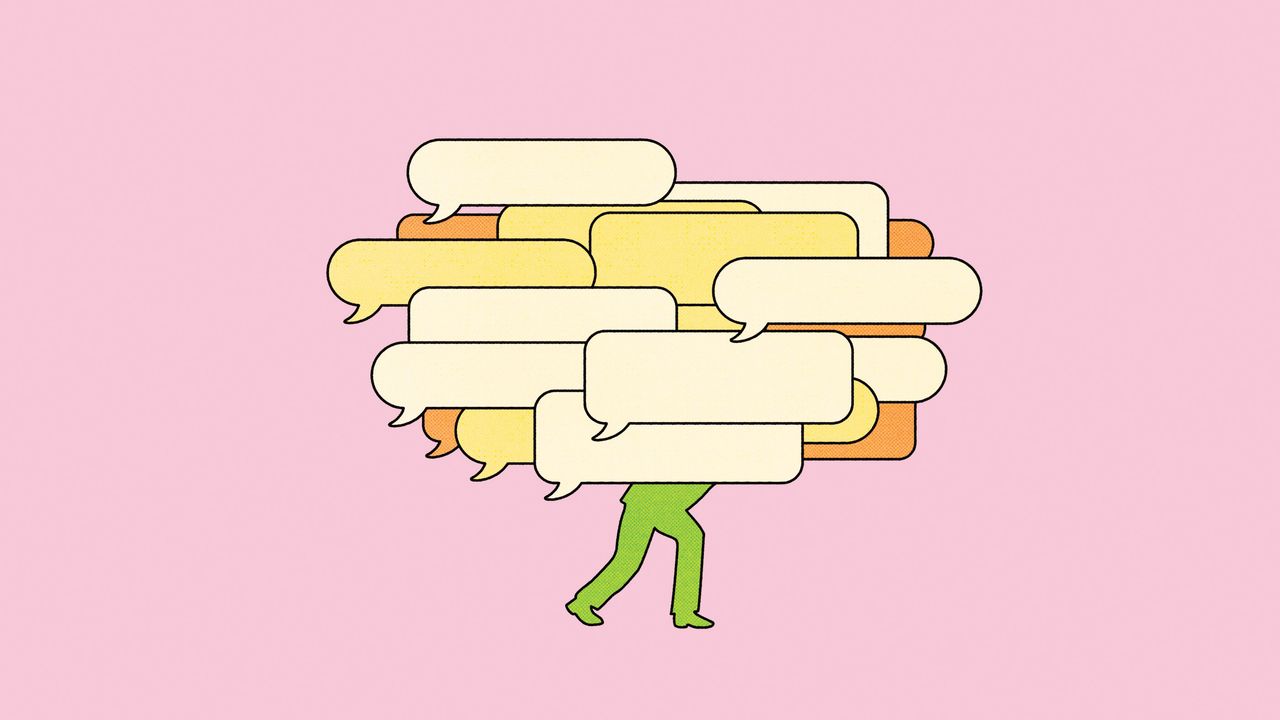
When I was in my twenties, in post-9/11 Manhattan, I would feel a small but persistent panic every time I took the subway because I would be without cell connection for the length of the trip. As is now habitual, for some of us, when deprived of our devices, I would imagine some vague disaster, and a person, oftentimes unidentified in my mind, desperately trying to get in touch with me. When I walked up the station steps to the surface and the service bars returned, I would feel a tinge of anxiety that maybe, this time, something had actually happened, and some awful message was about to buzz its way into my life.
Then I moved to Brooklyn, and my new commute involved a short stint during which the train went above ground to cross the Gowanus Canal before heading back below, through Park Slope. I recall feeling some relief when sunlight filled the train car: it signalled that I could get back to texting. I suspect that many of the most useless and unnecessary texts I sent during those years were written between Smith Street and Ninth Avenue. Eventually, the reach of cell service extended down to many of the subway tunnels, and I began spending train rides reading the usual dumb stuff.
Today, we have almost no respite from connection. I don’t think anyone particularly loves this development, but we have come to think of it as a necessity, meaning we only truly notice it—and intensely—when it’s gone. There are currently dozens of lawsuits about social-media addiction making their way through the courts, and lawmakers around the world are introducing bills to keep kids off the internet. Those are worthy endeavors, ones I’ll get to in a later installment of this series. But I want to write this week at a much more personal level, especially after devoting the previous column to the need for collective action against A.I.’s incursions into our workplaces.
I am in several group texts with friends dedicated to discussing absolutely nothing of any importance—and yet, whenever someone in one of these groups gets on a plane without Wi-Fi, they make sure to let everyone else know, even if they haven’t really been part of any recent conversations. What prompts these friends to announce they will not be online? Is it just the surprise that they’ve found three or four hours of peace? (Probably not.) Are they genuinely worried that they might miss out on the best conversation ever had about N.B.A. basketball? (Definitely not.) Perhaps they’re just bored on a plane, and annoyed that they won’t be able to talk hoops with their friends? (A little bit.) Is it, as people like to say, fear of missing out? (I don’t really think so. What are they missing?)
They are announcing, I think, a temporary break from the tacit, but by now practically ubiquitous, pact that we will always be available for one another. This agreement obviously exists more formally in many workplaces; in our personal lives, it occupies a place in the realm of manners. When I hit rare patches where I can’t be online, I’m not really worried that I’m going to miss the news that an earthquake has split my house in two or that someone has offered me a job that requires a response in the next twenty-four hours. Rather, I’m worried that my silence, my not answering, will seem rude to the other people within this social pact. This is absurd, of course—most of us don’t read that much into unanswered e-mails or text messages—but the fear of rudeness, or, worse, indifference, is far more powerful than FOMO, which only really applies to ourselves, and which, therefore, we can control.
In 1953, Ray Bradbury published a story called “The Murderer,” in which a psychiatrist visits a prisoner named Brock who has been arrested for the crime of destroying devices, including his “wrist radio”—a Bradbury creation that neatly predicted the Apple Watch. In his ravings to the psychiatrist, the prisoner admits to renting a “diathermy machine,” which scrambled everyone’s devices on a city bus:
All wives cut off from husbands grousing about a hard day at the office. All husbands cut off from wives who had just seen their children break a window! The “Vienna Woods” chopped down, the canary mangled. Silence! A terrible, unexpected silence. The bus inhabitants faced with having to converse with each other. Panic! Sheer, animal panic!
When the psychiatrist tries to reason with Brock, urging him to make peace with the will of the “majority,” Brock says that he is part of a vanguard who want to murder all machines. “The very idea of these things, the practical uses, was wonderful,” Brock says, referring to the new communication devices. “They were almost toys, to be played with, but the people got too involved, went too far, and got wrapped up in a pattern of social behavior and couldn’t get out, couldn’t admit they were in, even. So they rationalized their nerves as something else.”
Bradbury seemed to understand that, in the future he envisioned, the problem wasn’t competition or FOMO or hatred but the claggy connections we form with one another out of habit and custom. It’s not, in other words, the pull of the almighty, distortive algorithms, or the brightly colored apps that invite you in with endless gamified everything. Instead, it’s the thousands of hands that weakly reach out to you at all times during the day, not asking for much but always asking.
At the end of “The Murderer,” Brock asks the psychiatrist, “Can I go back to my nice private cell now, where I can be alone and private for six months?” For those of us who want to resist technology’s presence at both a collective and an individual level, understanding tech addiction as a meagre but omnipresent social contract, rather than a clinical addiction or a selfish impulse, presents more challenges than opportunity. Theoretically, it should be possible to inform your friends and family that you will not be getting back to them and ask them not to read too much into it, but good luck finding the same grace from your boss and co-workers. It’s also harder to change social norms than it is to, for instance, pass legislation banning phones in schools. And it’s much harder to convince people that they don’t need to text their family members all day than it is to ask smokers to take it outside.
Actual, material resistance, then, probably has to take a collective form, whether in class-action lawsuits or labor organizing—as with the nurses’-union actions described in the first part of this series—or through data-center protests and the like. But, as individuals, we will need to embrace a kind of radical rudeness, one in which we don’t answer text messages, don’t participate in WhatsApp groups, and leave pretty much everyone on read, or, better yet, not read. You can let those people you actually fear hurting with your digital indifference know beforehand that you’re more interested in seeing them in person or even over Zoom, and that you would rather not burden them with our daily, weak pleadings for acknowledgment.
I should say here that I’m a serial responder, and that I almost always find it deeply annoying when people announce a change in social norms for their “mental health.” But I don’t see how we can put down our phones without simply refusing to reply. Most likely, the vast majority of people won’t really think much of your silence, anyway. It’s helpful to remember that most people don’t really think much about us at all. ♦
来源:纽约客中文网