 讲知识 · 讲经验 · 讲未来
 人人可分享 · 处处是课堂
 科技 · 财经 · 游戏 · 快讯,每日更新
 诚搜315观察网
At a rally in Mississippi not long ago, Donald Trump complained about the reason for his frequent tardiness. “I’m always late. You know, I had a big meeting and I was an hour late. I said, ‘How?’ ” he told the crowd. “Daylight-saving time. We change it twice a year. . . . It’s ridiculous.” Trump has been urging the Senate to approve the Sunshine Protection Act—which was passed by the House in July and would make daylight-saving time permanent—before the bill expires at the end of the current Congress, on January 3rd.
His speech recalled an episode of HBO’s “Veep” in which Congressman Jonah Ryan is two hours late to a meeting after adjusting his clock the wrong way. “That’s impossible,” Ryan says. “I set my watch back for daylight-savings time. I springed backwards!” Told that he should have sprung forward, he’s irate: “Have you ever watched girls’ gymnastics? That makes no sense!”
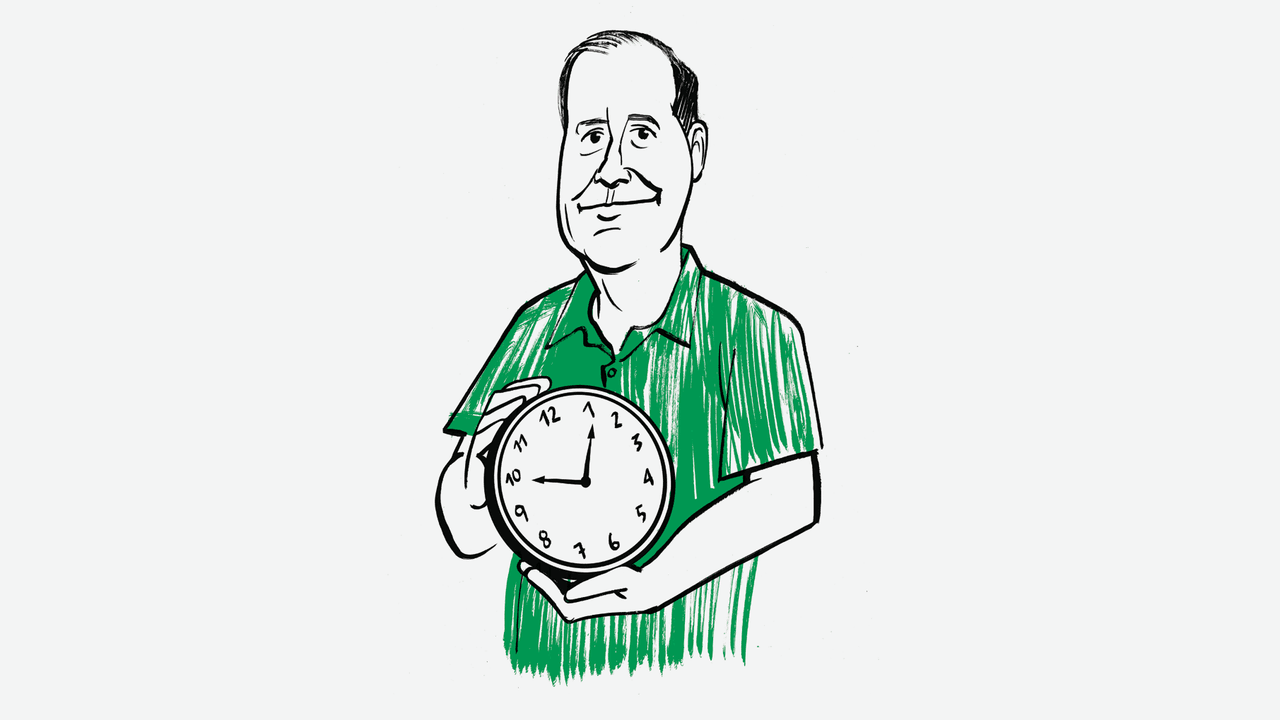
“It’s a naturally funny topic,” Scott Yates said late last month, the day before the clocks were set back. Yates, a sixty-one-year-old former journalist, has spent a decade trying to end the changing of the clocks. “Some people plan their vacations around golf,” he said. “I use frequent-flier miles to fly to Michigan to testify.”
He was sitting outside a former chapel in Liberia, Costa Rica, to which he relocated from Colorado, in 2024. The country does not change the clocks. “It’s not the No. 1 reason I moved here, but it’s on the list,” he said. He wore Birkenstocks and no watch. Yates began his crusade after he read the book “A Complaint Free World.” “The idea is, if you can’t do something about it, you shouldn’t complain about it,” he said. “Robbing an hour of sleep just always annoyed me.” So he started a blog (locktheclock.net) in which he compiles research on the topic.
Yates found that studies linked the “spring forward” clock change—where people lose an hour of sleep—to a rise in heart attacks and medical incidents involving human error, while the “fall backward” clock change—where it gets dark earlier—led to an increase in fatal auto accidents. Both changes are associated with a spike in strokes.
Within a couple of years, legislators in more than a dozen states started contacting Yates about his writing. He’s helped draft bills, spoken at hearings, and, last year, testified before the Senate Commerce Committee, advocating to end clock changing. (His proposal would give states two years to decide which time to lock in.) He concluded his testimony with a story about how scientists often avoid changing lab rats’ schedules after a clock change because it disrupts results. “At long last, can we treat our citizens with the decency that we treat our lab rats?” he asked the senators.
Yates often gets e-mails from people with their own ideas about how to solve the problem. Computer programmers reach out suggesting that we stop using time zones and time changes altogether and put the whole world on Coördinated Universal Time, the international time standard. In New York, this might mean waking up at noon and having lunch at 6 P.M. “It’s never going to happen,” Yates said.
The idea of daylight-saving time was first implemented in Germany during the First World War, to save on energy costs, but it had built steam earlier in Europe as a health movement and was helped along by a golf-loving Englishman named William Willett, who liked to go riding early in the morning. “He was me a hundred years earlier,” Yates said. In 1907, Willett distributed a pamphlet called “The Waste of Daylight,” promoting a plan for four twenty-minute advances in the clock throughout the year. It went nowhere.
Around the same time, the National Baseball League wanted more light for evening games, while movie-theatre executives wanted less, thinking that darkness might drive people into cinemas. In the states, daylight-saving time was implemented as a fragmented system throughout the World Wars and assorted energy crises. In New York City, in 1951, Grand Central Terminal was home to two railroads that used different times. In the early sixties, there were twenty-three different combinations of start and end dates for daylight-saving time in Iowa alone. The Times described it as “time schizophrenia.” To remedy the clock anarchy, the Uniform Time Act of 1966 standardized the dates for daylight-saving time and gave states the option of moving to permanent Standard Time. Only Hawaii, Arizona (except the Navajo Nation), Puerto Rico, and a few other U.S. territories do not change the clocks.
“Time doesn’t exist,” Yates said. “The thing that we call time is just what we all agree on.” The Sunshine Protection Act is the closest he has come to getting his way, but the House bill is slightly different than what he advocated for. “Washington is just so dysfunctional,” he said. “If this was a thing with money behind it, it would’ve been worked out.” He added, “I’m so worried about Trump being in favor of it, because I don’t want to ruin it for another fifty years.” ♦
来源:纽约客中文网